

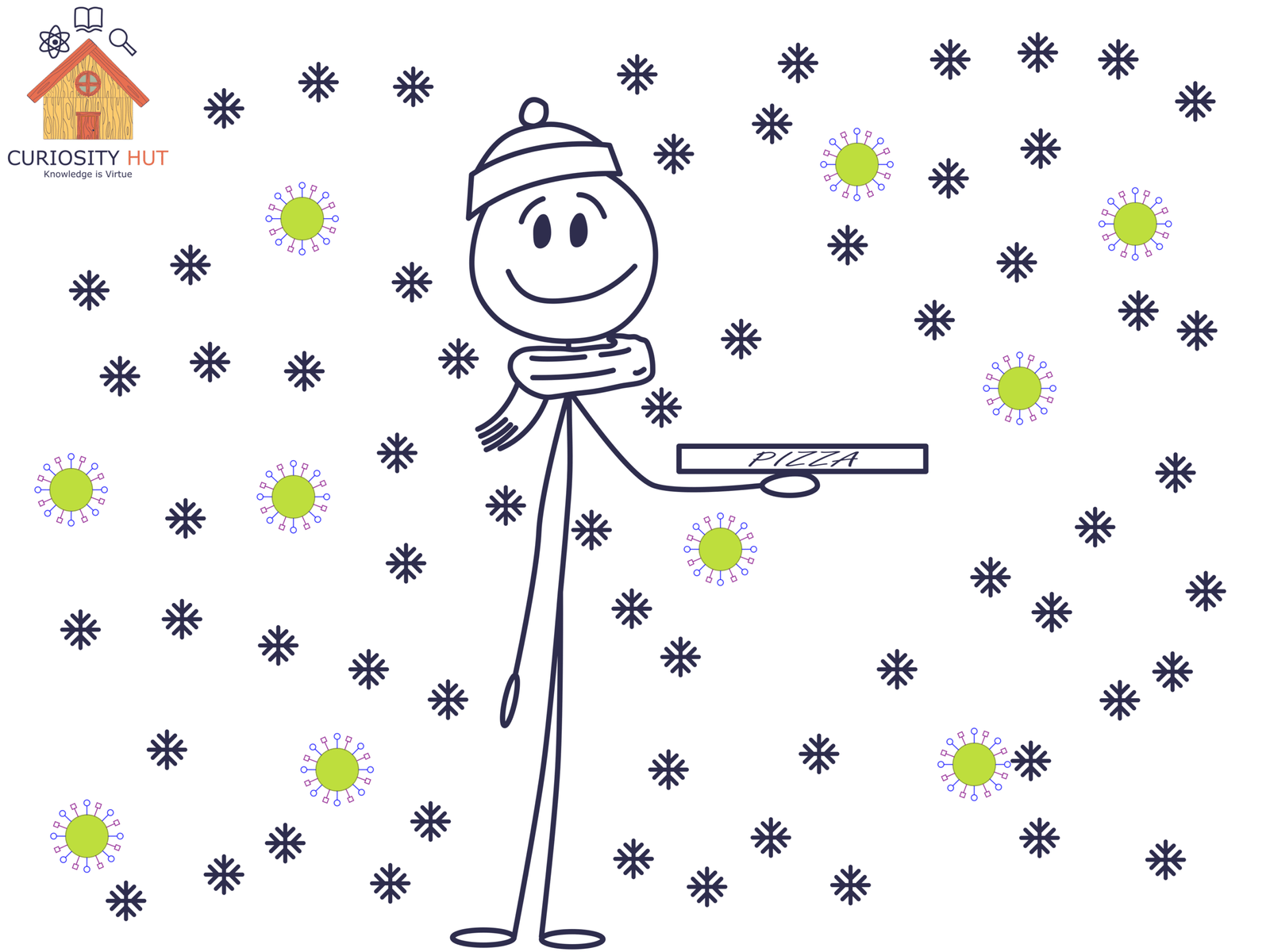
The Cold Weather and Sickness Myth.
Imagine it’s a typical January day in Chicago, and you’re craving pizza. You order a thin-crust pizza with cheese and pepperoni—the best in the U.S.. To save on delivery fees, you opt for pick-up. After all, the shop is just a five-minute walk away. That’s enough exercise for the day, right? But then you check the weather—an invigorating -15°C (5°F). Suddenly, you’re layering up, determined not to “catch a cold.” But does cold weather make us sick?
Is the Cold Really to Blame?
You probably hesitated before answering. Moms always warn, “Layer up, or you’ll catch a cold!” And sure enough, more people get sick in fall and winter. Flu, colds, COVID—they’re everywhere. We associate chilly air with runny noses and coughs. But cold air itself isn’t the culprit. Viruses are. Think of that friend who always gets sick in summer. Or the guy in shorts during a snowstorm who never seems to catch anything. Kids and the elderly are more vulnerable, while those who eat plenty of fruit seem practically invincible.
Viruses: The Real Culprits

A flu virus looks like a tiny spiked ball. Those spikes latch onto our cells, unlocking them like a key in a lock. Since viruses aren’t alive, they must hijack our cells to reproduce. This invasion damages or kills our cells, leading to fever, cough, and fatigue.
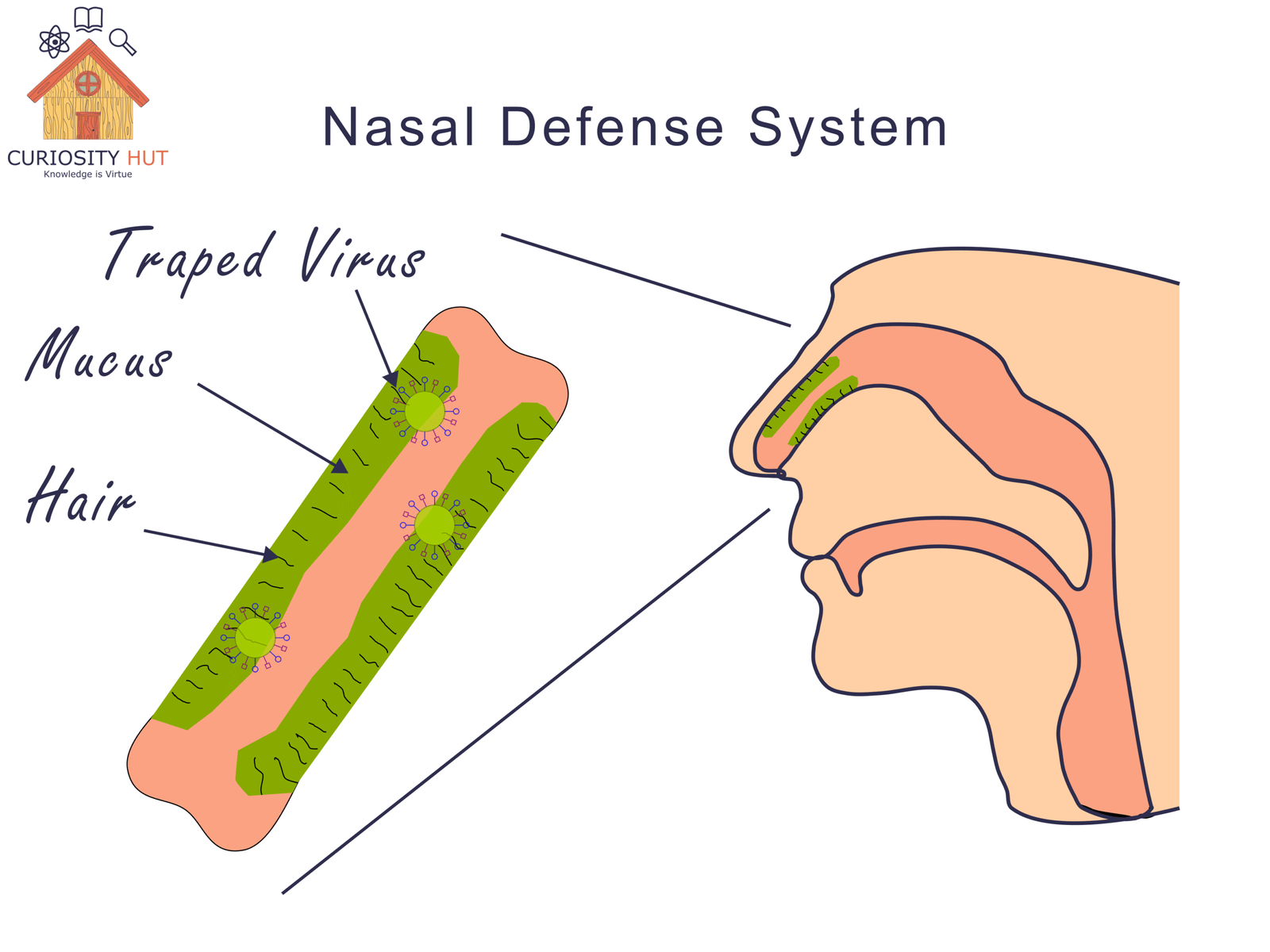
Because viruses are microscopic, they linger in the air after someone coughs or sneezes. That’s where our nose comes in—it’s our first line of defense. It produces mucus that traps and neutralizes invaders. Tiny hairs push the gunk down our throat, where we either swallow or spit it out. But cold air dries out mucus, weakening our defense. More viruses slip through, overwhelming our immune system. That’s why flu season coincides with chilly months.
Subscribe to my Free Newsletter
Sign up for blog updates, science stories, riddles, and occasional musings. No algorithms—just me, writing to you.
Why Some People Get Sick and Others Don’t
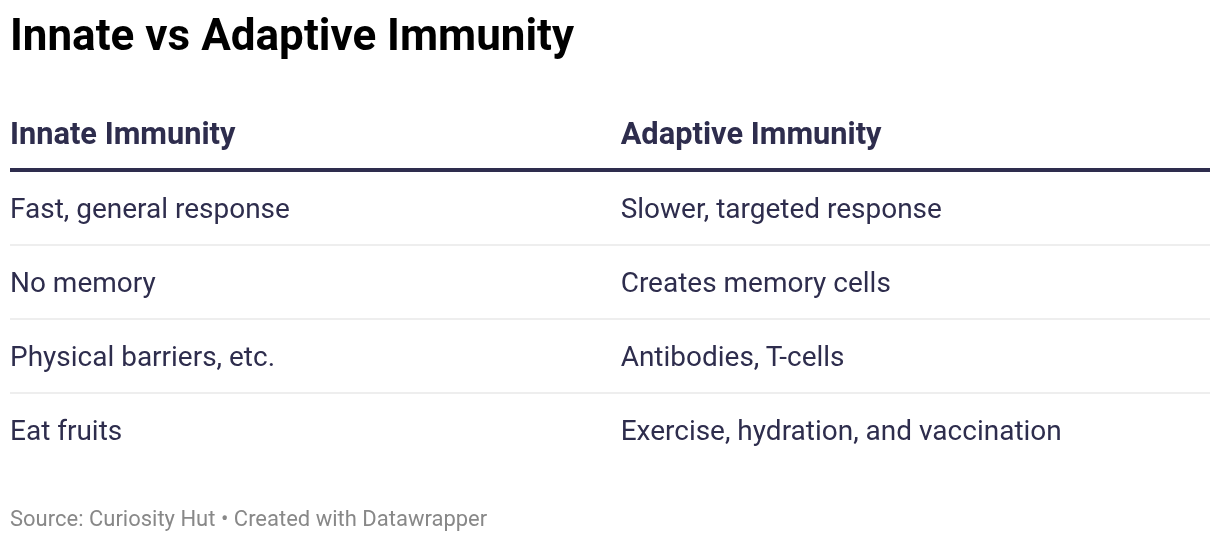
Some people are naturally better equipped to handle these threats. That’s called Innate Immunity. Eating fruits and whole foods strengthens it. Our second defense, Adaptive Immunity, produces antibodies that specifically target viruses. It also creates memory cells for faster responses next time. Exercise, hydration, and stress management keep these systems running smoothly. Vaccines help, too, by training the body to recognize and neutralize specific viruses. That’s why some people don’t get sick as often—they’ve built stronger defenses.
But cold weather changes behavior. We huddle indoors. Kids sit in crowded classrooms. Packed arenas host winter games and concerts. Nobody dares open a window for fresh air. Poor ventilation traps viruses, making transmission easier. Office workers blame the AC for summer colds. Churchgoers swap viruses in pews. Healthcare workers wear masks for a reason.
How Cold Weather Contributes to Sickness
Growing up, my mom would fling open the windows on cold mornings to “let in fresh air.” Some people swear by wearing a scarf over their nose. These habits help, but they’re not foolproof. Viruses still slip through. That’s why a strong immune system is key. Yet winter makes it tempting to lounge on the couch instead of moving. We order takeout instead of cooking fresh food. We snack instead of eating fruit. These choices weaken our defenses, making us more susceptible to illness.
It’s important to note that normal exposure to cold air doesn’t weaken the immune system. Some animal studies suggest extreme cold over long periods might have an effect, but research is inconclusive—and not conducted on humans. Typical winter weather isn’t the issue.
How to Stay Healthy During Winter
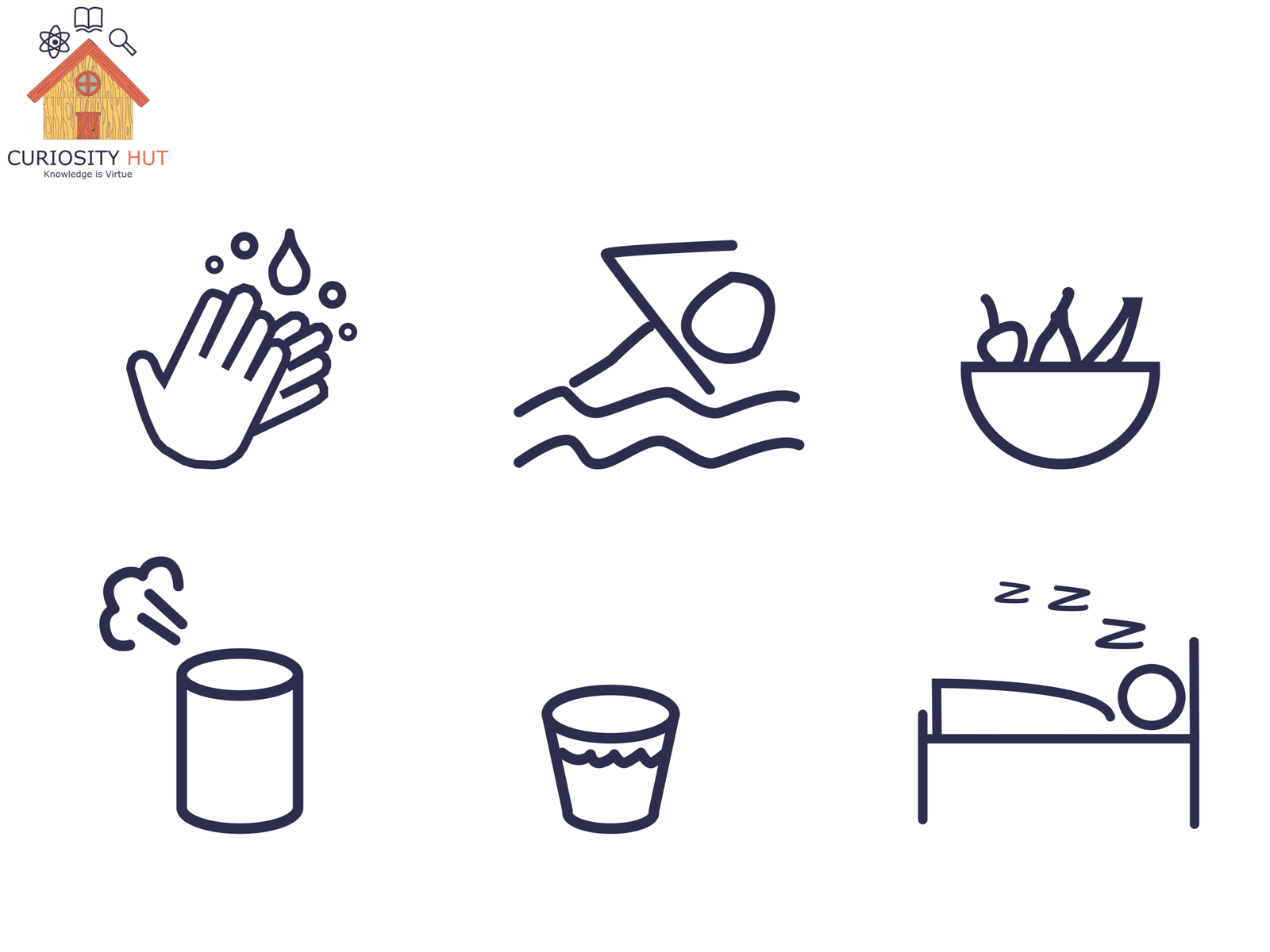
So how do you stay healthy? Minimize exposure. Wash your hands—when you get home, before eating, after using the restroom. Disinfect surfaces, especially in high-contact areas. A humidifier helps keep nasal passages from drying out. Strengthen your immune system. Stay hydrated. Eat whole foods—an apple in the morning, an orange after the gym. Exercise regularly. Good habits make a difference.
Ultimately, maintaining your health doesn’t require extreme measures. A few consistent habits can make all the difference in staying healthy and resilient.
The Bottom Line: It’s Not the Cold; It’s the Viruses
Cold weather doesn’t make us sick—viruses do. Wet hair won’t give you the flu. Bundling up keeps you warm, not virus-free. But, winter behaviors and environments increase our risk. So stay proactive: minimize exposure and keep your immune system strong
Subscribe to my Free Newsletter
Sign up for blog updates, science stories, riddles, and occasional musings. No algorithms—just me, writing to you.







[…] vitamins, the body slips out of tune. Energy drops. Wounds take longer to heal. The immune system struggles to fight back. Bones weaken, skin dulls, moods […]
[…] to this short passage from my Curiosity Hut […]